The Four Stages Every Growing Business Goes Through (And Why You Need to Know Them)
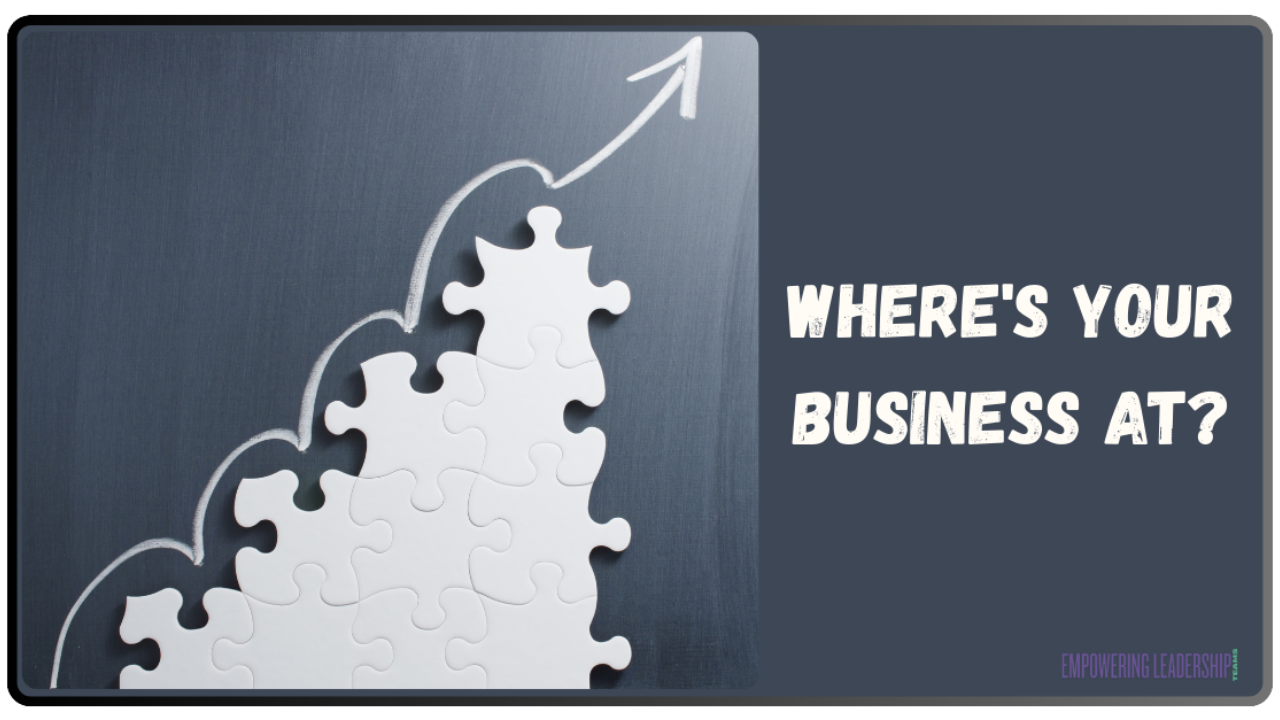
Here's something I've observed countless times: A passionate entrepreneur starts a business, pours everything into it, and watches it grow. Then, seemingly out of nowhere, everything starts to feel... stuck. The systems that worked six months ago are breaking. The founder is drowning in decisions. Team members are frustrated.
Sound familiar?
Here's the thing: it's not that you're doing something wrong. It's that your business has outgrown its current stage—and you haven't evolved with it.
Why Business Stages Matter More Than You Think
Every entrepreneurial business goes through predictable stages of growth. And here's what's wild: each stage requires you to lead differently, structure things differently, and even think about your role differently.
The entrepreneurs who understand this? They navigate growth smoothly. The ones who don't? They either burn out or plateau, wondering why what used to work suddenly doesn't anymore.
Let me walk you through the four stages—and more importantly, help you figure out where you are right now.
Stage 1: The "I Can Do It" Stage
This is where it all begins. You're wearing every hat in the business: CEO, salesperson, bookkeeper, customer service rep, janitor. There's barely any structure because, well, the structure is you.
And honestly? This stage is exhilarating. You're building something from nothing. Every decision is yours. Every win feels personal because it is personal.
The challenge: About 70% of people start their businesses while still working another job. Translation? You're probably exhausted, and sustainability isn't really in the vocabulary yet.
The trap: Staying here too long. I've seen founders still trying to do everything five years in, and it's not pretty. Burnout is real, and it doesn't care how passionate you are.
Stage 2: The "I Need Help" Stage
Eventually (hopefully sooner rather than later), you realize you can't do it all. So you bring in your first real support person—maybe an operations manager or administrative assistant.
This is where things get interesting. You're still driving strategy and setting the vision, but now you're learning to delegate. And let me tell you, delegation is harder than it sounds.
The reality check: Handing off tasks means accepting that someone else might do them differently than you would. Not worse, just different. This is where a lot of entrepreneurs struggle. Control is comfortable. Trust is terrifying.
The breakthrough: When you finally let go of the small stuff, you free yourself up for the big stuff—the strategic thinking that actually moves your business forward.
Stage 3: The "We Need Structure" Stage
Your business is really growing now. You can't just have "people who help"—you need actual departments. Marketing. Finance. Operations. Each area needs someone who really owns it.
This stage is all about specialization. The person handling your finances isn't also answering customer service calls anymore. Your marketing lead is focused on marketing, not filling in wherever there's a gap.
The challenge: About one-third of small businesses cite economic uncertainty as their biggest challenge. Why does this matter here? Because navigating complex business environments requires specialized expertise. You can't be an expert in everything, and neither can your small team.
What shifts: Your role is no longer about doing—it's about coordinating. You're conducting the orchestra, not playing every instrument.
Stage 4: The "Leadership Team" Stage
Welcome to multiple layers of leadership. You've got functional leaders running their departments, cross-functional teams tackling projects, and maybe even a senior leadership team helping you steer the ship.
This is where it gets really interesting—and where many founders have an identity crisis. You're not just the person who does things anymore. You're not even just the person who manages the people who do things. You're the person who develops other leaders.
The truth bomb: Your business can't scale beyond your ability to develop leaders. Period.
Your new job: Vision setting, culture building, and leadership development. You're translating the big picture into actionable direction and empowering others to run with it.
Here's What Most People Get Wrong
People think business growth is linear. Stage 1, then Stage 2, then Stage 3, neat and tidy.
Nope.
Reality is messier. Your sales team might be at Stage 3 while your operations are still at Stage 2. You might jump from Stage 1 to Stage 3 in one area because you made a key hire. That's normal.
Also, external factors throw curveballs. Economic shifts, market changes, that new technology that just disrupted your industry—all of these can push you forward or hold you back regardless of your internal readiness.
Why This Matters for You Right Now
Understanding these stages isn't just academic—it's practical. Here's what it helps you do:
Avoid burnout. When you know it's time to evolve your structure, you can do it proactively instead of reactively (like when you're already burned out).
Plan ahead. You can anticipate what skills you'll need, what hires to make, and what systems to build before you desperately need them.
Lead better. Your leadership style needs to evolve with each stage. What works in Stage 1 will actually hold you back in Stage 4.
Set realistic expectations. Both for yourself and your team. Everyone can get on the same page about what this stage requires.
The Question You Should Be Asking
So here's what I want you to think about: What stage is your business in right now? More importantly, what stage is your leadership in?
Because here's the real secret: your business can only grow as much as you're willing to grow as a leader.
In Stage 1, you're the doer. In Stage 2, you're learning to delegate. In Stage 3, you're coordinating. In Stage 4, you're developing other leaders.
Each stage requires you to let go of something that used to define you. And that's uncomfortable. But it's also necessary.
The Bottom Line
Building a business isn't just about having a great product or service. It's about evolving your organization—and yourself—to match what each stage of growth demands.
The entrepreneurs who get this? They build sustainable, thriving businesses. The ones who don't? They stay stuck, wondering why the magic is gone.
So take an honest look at where you are. Then ask yourself: Am I leading for the stage I'm in, or the stage I used to be in?
Your answer to that question might just be the key to your next breakthrough.
Where are you in your business journey? What stage resonates most with where you are right now?
Related Video:
From Vision to Action: Entrepreneurial Strategies for 2025
Related Articles:
From Ideas to Innovation: Creating Space for Team Creativity
Your Business Needs a Functional Organizational Chart